Rhinocort Nasal Spray: Effective Relief for Allergic Rhinitis
| Product dosage: 100mcg | |||
|---|---|---|---|
| Package (num) | Per inhaler | Price | Buy |
| 1 | $36.12 | $36.12 (0%) | 🛒 Add to cart |
| 2 | $31.39 | $72.24 $62.78 (13%) | 🛒 Add to cart |
| 3 | $29.81 | $108.36 $89.44 (17%) | 🛒 Add to cart |
| 4 | $29.02 | $144.48 $116.10 (20%) | 🛒 Add to cart |
| 5 | $28.72 | $180.60 $143.62 (20%) | 🛒 Add to cart |
| 6 | $28.38 | $216.72 $170.28 (21%) | 🛒 Add to cart |
| 7 | $28.13 | $252.84 $196.94 (22%) | 🛒 Add to cart |
| 8 | $27.95 | $288.96 $223.60 (23%) | 🛒 Add to cart |
| 9 | $27.90 | $325.08 $251.12 (23%) | 🛒 Add to cart |
| 10 | $27.78
Best per inhaler | $361.20 $277.78 (23%) | 🛒 Add to cart |
Synonyms | |||
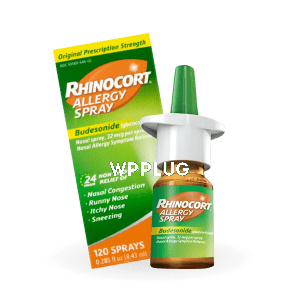
Rhinocort (budesonide) is a clinically proven, prescription-strength corticosteroid nasal spray designed for the management of nasal symptoms associated with allergic and non-allergic rhinitis. It works directly at the site of inflammation in the nasal passages to reduce swelling, congestion, and irritation. With a well-established safety profile and non-drowsy formulation, it provides targeted, 24-hour relief from bothersome allergy symptoms, allowing for improved breathing and quality of life. Appropriate for adults and children ages 6 and above, Rhinocort is a first-line therapeutic option recommended by allergists and ENT specialists worldwide.
Features
- Active ingredient: Budesonide (32 mcg per spray)
- Delivery system: Metered-dose, aqueous nasal spray
- Presentation: Suspension spray; scent-free and alcohol-free
- Mechanism: Local anti-inflammatory glucocorticoid
- Duration of action: Up to 24 hours per dose
- Packaging: 10.2 g (120 sprays) or 17.7 g (240 sprays) canister
- Prescription status: Available by prescription in most regions
Benefits
- Reduces nasal inflammation, congestion, sneezing, and runny nose effectively
- Provides all-day symptom relief with once-daily dosing
- Non-sedating and does not cause drowsiness
- Suitable for long-term management of chronic rhinitis
- Minimizes systemic absorption due to local action
- Improves nasal airflow and sense of smell
Common use
Rhinocort is commonly prescribed for the treatment of seasonal and perennial allergic rhinitis. It is also indicated for the management of non-allergic rhinitis and nasal polyps. Many patients use it as a preventive measure during high-pollen seasons or in environments with persistent allergens such as dust mites or pet dander.
Dosage and direction
- Adults and children 12 years and older: 2 sprays in each nostril once daily. May reduce to 1 spray per nostril once daily after symptoms improve.
- Children 6–11 years: 1 spray in each nostril once daily. Maximum 2 sprays per nostril daily.
- Administer while keeping head upright. Gently shake before use. Prime pump before first use or if not used for 2+ days.
- Optimal effects may take several days of regular use. Use consistently for best results.
Precautions
- Not for use in children under 6 years of age.
- Avoid use in patients with recent nasal surgery, nasal trauma, or nasal infection until healed.
- May cause mild nasal irritation, dryness, or epistaxis (nosebleeds). Use with caution in patients with bleeding disorders.
- Long-term use may rarely lead to nasal septum perforation or Candida infection.
- Consult a healthcare provider if symptoms do not improve after 2–3 weeks.
Contraindications
- Hypersensitivity to budesonide or any component of the formulation.
- Active or untreated fungal, bacterial, or tuberculosis infection of the respiratory tract.
- Not recommended for use during an acute asthma attack.
Possible side effects
Common side effects may include:
- Nasal irritation
- Dryness or crusting in the nose
- Mild nosebleeds
- Sneezing after application
- Headache
Rare but serious side effects:
- Severe nasal bleeding
- Perforation of the nasal septum
- Signs of adrenal suppression (e.g., unusual fatigue, dizziness)
- Glaucoma or cataracts with long-term, high-dose use
- Allergic reactions (rash, itching, swelling)
Drug interaction
- Although budesonide has low systemic absorption, caution is advised when used with other corticosteroids (oral or inhaled).
- CYP3A4 inhibitors (e.g., ketoconazole, ritonavir) may increase budesonide plasma levels.
- No clinically significant interactions with common antihistamines or decongestants have been reported.
Missed dose
If a dose is missed, use it as soon as remembered. If it is near the time of the next dose, skip the missed dose and resume the regular schedule. Do not double the dose.
Overdose
Acute overdose is unlikely due to local administration. Excessive long-term use may lead to systemic corticosteroid effects such as hypercortisolism or adrenal suppression. In case of suspected overdose, seek medical attention. Symptomatic treatment is recommended.
Storage
Store at room temperature (15–30°C). Do not freeze. Keep the canister upright. Protect from light and moisture. Discard after 120 or 240 sprays, even if not entirely empty. Keep out of reach of children.
Disclaimer
This information is for educational purposes and does not replace professional medical advice. Always consult a healthcare provider for diagnosis and individualized treatment recommendations. Do not initiate or discontinue medication without medical supervision.
Reviews
Rhinocort is widely regarded by clinicians and patients as an effective, well-tolerated option for nasal allergy relief. Clinical studies demonstrate significant improvement in nasal symptom scores compared to placebo. User reviews frequently highlight its non-drowsy effect and ease of use. Some note mild nasal dryness, which often resolves with continued use or saline spray accompaniment.