Hydrochlorothiazide: Effective Blood Pressure and Fluid Control
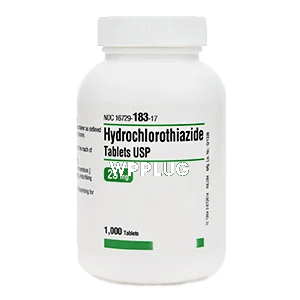
Hydrochlorothiazide is a widely prescribed thiazide diuretic, recognized for its efficacy in managing hypertension and edema. It functions by promoting the excretion of sodium and water from the body, thereby reducing blood volume and peripheral vascular resistance. This medication is often utilized as a first-line treatment or in combination with other antihypertensive agents, offering a well-established safety profile and predictable therapeutic outcomes. Its mechanism of action and clinical utility make it a cornerstone in cardiovascular and renal therapeutic regimens.
Features
- Active ingredient: Hydrochlorothiazide
- Drug class: Thiazide diuretic
- Available formulations: Oral tablets (12.5 mg, 25 mg, 50 mg)
- Onset of action: Within 2 hours of administration
- Peak effect: 4–6 hours post-dose
- Duration of action: 6–12 hours
- Bioavailability: Approximately 50–70%
- Protein binding: 40–60%
- Metabolism: Not extensively metabolized
- Excretion: Primarily renal
Benefits
- Effectively lowers systolic and diastolic blood pressure, reducing the risk of stroke, myocardial infarction, and heart failure.
- Decreases edema associated with congestive heart failure, hepatic cirrhosis, and renal dysfunction.
- Often used in fixed-dose combinations with other antihypertensives (e.g., ACE inhibitors, ARBs) for synergistic effects and improved adherence.
- Cost-effective with widespread availability in generic formulations.
- Well-tolerated in most patient populations with a long history of clinical use.
- May reduce the risk of kidney stone formation in certain individuals due to its hypocalciuric effect.
Common use
Hydrochlorothiazide is primarily indicated for the management of essential hypertension, either as monotherapy or in combination with other antihypertensive agents. It is also used in the treatment of edema due to congestive heart failure, cirrhosis of the liver, corticosteroid and estrogen therapy, and renal dysfunction. Off-label uses may include treatment of nephrolithiasis (in hypercalciuric patients) and diabetes insipidus, though evidence supporting these applications is less robust.
Dosage and direction
For hypertension, the typical initial adult dose is 12.5–25 mg once daily, which may be titrated to 50 mg once daily based on therapeutic response and tolerability. For edema, the initial dose is 25–100 mg daily, administered as a single or divided dose, with maintenance dosing adjusted to the patient’s clinical needs. Doses exceeding 50 mg per day generally do not provide additional antihypertensive effects but may increase the risk of adverse reactions. Administration in the morning is recommended to minimize nocturia. Dosage adjustments are necessary in patients with renal impairment (e.g., avoid use if eGFR <30 mL/min) or hepatic dysfunction.
Precautions
Patients should be monitored for electrolyte imbalances (particularly hypokalemia, hyponatremia, hypomagnesemia, and hypercalcemia), especially during initiation or after dosage adjustments. Regular assessment of renal function and blood pressure is advised. Use with caution in patients with gout or hyperuricemia, as hydrochlorothiazide may increase serum uric acid levels. Photosensitivity reactions may occur; advise sun protection. Orthostatic hypotension may develop, particularly in volume-depleted patients or the elderly. Discontinue if pancreatitis occurs.
Contraindications
Hydrochlorothiazide is contraindicated in patients with known hypersensitivity to sulfonamide-derived drugs or any component of the formulation. It should not be used in patients with anuria or severe renal impairment (eGFR <30 mL/min). Use is also contraindicated in refractory hypokalemia, hyponatremia, or hypercalcemia. Avoid concurrent use with lithium due to increased risk of lithium toxicity.
Possible side effect
Common adverse reactions include dizziness, headache, hypotension, electrolyte depletion (hypokalemia, hyponatremia, hypochloremia, hypomagnesemia), hyperglycemia, hyperuricemia, and hypercalcemia. Less frequently, gastrointestinal disturbances (nausea, vomiting, diarrhea), photosensitivity, rash, and impotence may occur. Rare but serious side effects include pancreatitis, cholestatic jaundice, leukopenia, agranulocytosis, thrombocytopenia, aplastic anemia, and anaphylactic reactions.
Drug interaction
Hydrochlorothiazide may potentiate the effects of other antihypertensive agents and alcohol. It can reduce renal clearance and increase toxicity of lithium. Corticosteroids and amphotericin B may exacerbate hypokalemia. Concurrent use with nonsteroidal anti-inflammatory drugs (NSAIDs) may diminish its diuretic and antihypertensive effects. Cholestyramine and colestipol may reduce absorption. It may enhance the hyperglycemic effect of diazoxide and necessitate adjustment of antidiabetic medications.
Missed dose
If a dose is missed, it should be taken as soon as remembered, unless it is nearly time for the next scheduled dose. In that case, the missed dose should be skipped, and the regular dosing schedule resumed. Doubling the dose to compensate for a missed one is not recommended.
Overdose
Symptoms of overdose include profound electrolyte depletion (especially hypokalemia and hyponatremia), dehydration, hypotension, drowsiness, and circulatory collapse. Management involves gastric lavage or activated charcoal if ingestion was recent, along with supportive measures such as IV fluids and electrolyte replacement. Hemodialysis is not effective due to high protein binding.
Storage
Store at controlled room temperature (20–25°C or 68–77°F), in a tightly closed container, and protect from light and moisture. Keep out of reach of children and pets. Do not use after the expiration date printed on the packaging.
Disclaimer
This information is intended for educational purposes and does not replace professional medical advice, diagnosis, or treatment. Always consult a qualified healthcare provider before starting or altering any medication regimen. Individual patient responses may vary, and therapeutic decisions should be based on clinical context and practitioner judgment.
Reviews
Hydrochlorothiazide is generally well-regarded in clinical practice for its efficacy in hypertension and fluid overload management. Many practitioners appreciate its predictable pharmacokinetics and compatibility with combination therapies. Some reviews note the necessity of monitoring electrolytes, particularly in elderly patients or those on concomitant medications. Patient feedback often highlights effectiveness in reducing blood pressure and edema, though some report side effects like increased urination or dizziness. Overall, it remains a foundational agent in cardiovascular pharmacotherapy.