Fosfomycin: Targeted Antibiotic Therapy for Urinary Tract Infections
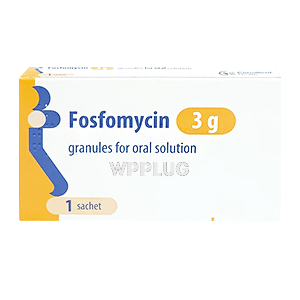
| Product dosage: 3g | |||
|---|---|---|---|
| Package (num) | Per sachet | Price | Buy |
| 1 | $36.12 | $36.12 (0%) | 🛒 Add to cart |
| 2 | $32.25 | $72.24 $64.50 (11%) | 🛒 Add to cart |
| 3 | $30.67 | $108.36 $92.02 (15%) | 🛒 Add to cart |
| 4 | $30.10 | $144.48 $120.40 (17%) | 🛒 Add to cart |
| 5 | $29.76 | $180.60 $148.78 (18%) | 🛒 Add to cart |
| 6 | $29.38 | $216.72 $176.30 (19%) | 🛒 Add to cart |
| 7 | $29.24 | $252.84 $204.68 (19%) | 🛒 Add to cart |
| 8 | $29.13 | $288.96 $233.06 (19%) | 🛒 Add to cart |
| 9 | $28.95 | $325.08 $260.58 (20%) | 🛒 Add to cart |
| 10 | $28.90
Best per sachet | $361.20 $288.96 (20%) | 🛒 Add to cart |
Synonyms | |||
Fosfomycin tromethamine is a broad-spectrum bactericidal antibiotic indicated primarily for the treatment of uncomplicated urinary tract infections (UTIs) caused by susceptible strains of designated microorganisms. As a phosphonic acid derivative, it exhibits a unique mechanism of action, inhibiting bacterial cell wall synthesis at an early stage. Its favorable pharmacokinetic profile, including high urinary concentrations and minimal systemic absorption, makes it a valuable therapeutic option in both community and hospital settings. This agent is particularly noted for its activity against multidrug-resistant pathogens, offering a reliable alternative when first-line treatments are contraindicated or ineffective.
Features
- Chemical class: Phosphonic acid derivative; prodrug formulation as fosfomycin tromethamine
- Mechanism: Irreversible inhibition of UDP-N-acetylglucosamine enolpyruvyl transferase (MurA), preventing peptidoglycan precursor synthesis
- Spectrum: Broad bactericidal activity against Gram-positive and Gram-negative uropathogens, including Escherichia coli, Enterococcus faecalis, and Klebsiella pneumoniae
- Formulation: Single-dose sachet containing 3g fosfomycin tromethamine granules for oral suspension
- Pharmacokinetics: Approximately 37% oral bioavailability; achieves high urinary concentrations (>1,000 µg/mL) for 24–48 hours post-administration
- Regulatory status: FDA-approved since 1996; available under multiple brand and generic designations worldwide
Benefits
- Single-Dose Convenience: Enables complete therapeutic course with one administration, enhancing adherence and reducing premature discontinuation risks
- Low Resistance Development: Unique molecular target minimizes cross-resistance with other antibiotic classes, preserving long-term efficacy
- Favorable Safety Profile: Limited systemic absorption reduces risk of systemic adverse effects and drug-drug interactions
- Activity Against MDR Pathogens: Maintains efficacy against ESBL-producing Enterobacteriaceae and vancomycin-resistant enterococci (VRE) in appropriate clinical contexts
- Pregnancy Category B: Considered safe during pregnancy when clinically indicated, with no evidence of fetal harm in animal studies
- Minimal Impact on Gut Microbiota: Targeted urinary excretion spares commensal gastrointestinal flora, reducing incidence of C. difficile-associated diarrhea
Common use
Fosfomycin tromethamine is primarily indicated for the treatment of uncomplicated urinary tract infections (acute cystitis) in women aged 18 years and older caused by susceptible strains of Escherichia coli and Enterococcus faecalis. Off-label uses include treatment of complicated UTIs, prostatitis, and surgical prophylaxis in urologic procedures. It may serve as alternative therapy for infections caused by multidrug-resistant organisms when susceptibility is confirmed. Clinical use should always be guided by culture and sensitivity results whenever possible, though empiric therapy may be justified in low-resistance prevalence regions.
Dosage and direction
Standard Adult Dose: 3g single dose orally mixed with ½ glass (4 oz) of cold water. Administer on empty stomach (at least 2 hours before or after meals) to optimize absorption.
Reconstitution: Empty entire sachet contents into water, stir to dissolve, and consume immediately. Do not use hot water.
Special Populations:
- Renal impairment (CrCl <50 mL/min): Not recommended due to reduced urinary excretion
- Hepatic impairment: No dosage adjustment required
- Geriatric patients: Use standard dose with caution in those with age-related renal decline
- Pediatric use: Safety and effectiveness not established for patients under 18 years
Precautions
Monitor renal function before administration in elderly patients or those with suspected renal impairment. Use with caution in patients with history of gastrointestinal diseases, particularly colitis, as antibiotic use may predispose to C. difficile-associated diarrhea. Diabetic patients should be advised that the formulation contains sucrose (2.8g per dose). Although pregnancy Category B, use during pregnancy only if clearly needed. Nursing mothers should consider temporary discontinuation of breastfeeding (pump and discard milk for 24 hours post-dose).
Contraindications
Hypersensitivity to fosfomycin or any component of the formulation. Severe renal impairment (creatinine clearance <50 mL/min) due to inadequate urinary drug concentrations. Concomitant administration with metoclopramide, which may decrease fosfomycin serum concentrations and efficacy. Use in children under 12 years of age (safety not established).
Possible side effect
Common (≥1%): Diarrhea (8.5%), nausea (5.2%), headache (4.8%), vaginitis (3.6%), dizziness (1.2%)
Less common (0.1–1%): Dyspepsia, abdominal pain, rhinitis, pharyngitis, back pain, rash
Rare (<0.1%): Clostridium difficile-associated diarrhea, eosinophilia, thrombocytopenia, elevated liver enzymes
Most adverse reactions are mild to moderate and self-limiting. Gastrointestinal effects typically resolve within 24–48 hours without intervention.
Drug interaction
Metoclopramide: Reduces fosfomycin serum concentrations by accelerating gastric emptying—contraindicated combination
Antacids containing magnesium or aluminum: May decrease fosfomycin absorption—administer at least 2 hours apart
Probenecid: Competes with renal tubular secretion, potentially reducing urinary concentrations of fosfomycin
Oral contraceptives: Theoretical risk of reduced efficacy due to altered gut flora; recommend backup contraception during cycle
No clinically significant interactions with warfarin, digoxin, or theophylline documented
Missed dose
As fosfomycin is administered as a single-dose regimen, missed dose scenarios do not typically apply. If vomiting occurs within 2–3 hours of administration, consider re-administration of full dose once gastrointestinal symptoms resolve. Consult healthcare provider for guidance regarding re-dosing decisions.
Overdose
No specific antidote exists. Single doses up to 24g have been administered without serious toxicity. Management should be supportive and symptomatic. Hemodialysis may remove fosfomycin (40–50% removal reported) in cases of significant overdose, particularly in renal impairment. Monitor for gastrointestinal effects and maintain hydration. Contact poison control center for latest management recommendations.
Storage
Store at controlled room temperature (20–25°C/68–77°F). Keep sachet in original package until use. Protect from moisture. Do not use after expiration date printed on packaging. Reconstituted solution should be used immediately and not stored for later use. Keep out of reach of children and pets.
Disclaimer
This information is provided for educational purposes only and does not constitute medical advice. Prescribing decisions should be based on professional clinical judgment, susceptibility testing, and official prescribing information. Healthcare providers should consult full prescribing information and current clinical guidelines before administration. Individual patient response and adverse reactions may vary. Report suspected adverse reactions to the appropriate regulatory authority.
Reviews
“Fosfomycin remains a valuable option in our antimicrobial arsenal, particularly for multidrug-resistant UTIs. The single-dose regimen significantly improves adherence compared to traditional multi-day antibiotics.” – Infectious Disease Specialist, University Hospital
“While resistance rates remain relatively low, we’ve observed some increase in MICs among ESBL-producing E. coli in recent years. Still consider it first-line for uncomplicated cystitis in appropriate patients.” – Clinical Microbiologist
“The convenience of single-dose therapy must be balanced against emerging resistance patterns. We reserve fosfomycin for cases where first-line agents are contraindicated or when susceptibility is confirmed.” – Urology Department Chair
“Excellent option for pregnant patients with UTIs who cannot tolerate beta-lactams. Have used it successfully in dozens of cases without adverse fetal outcomes.” – Maternal-Fetal Medicine Specialist