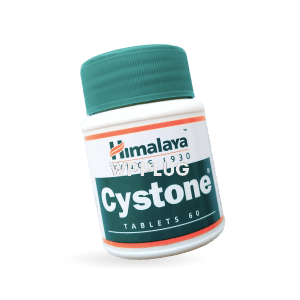
| Product dosage: 446 mg | |||
|---|---|---|---|
| Package (num) | Per pill | Price | Buy |
| 180 | $0.30 | $54.18 (0%) | 🛒 Add to cart |
| 360 | $0.18
Best per pill | $108.36 $65.36 (40%) | 🛒 Add to cart |
Cystone: Comprehensive Herbal Support for Urinary Stone Management
Cystone is a clinically-formulated, herbal dietary supplement designed to provide comprehensive support for the urinary system, specifically targeting the management and prevention of renal calculi (kidney stones). Its unique blend of time-tested Ayurvedic herbs works synergistically to address the multifaceted nature of stone formation, offering a non-invasive approach to promoting urinary tract health. By targeting lithogenesis, crystal aggregation, and the underlying inflammatory processes, Cystone supports the body’s natural mechanisms for stone expulsion and helps maintain a healthy urinary environment to prevent recurrence. This expert-oriented review details its pharmacological profile, therapeutic applications, and clinical considerations for optimal use.
Features
- Proprietary blend of standardized herbal extracts including Didymocarpus pedicellata, Saxifraga ligulata, Rubia cordifolia, Cyperus scariosus, Achyranthes aspera, Onosma bracteatum, and Hajrul yahood bhasma.
- Formulated based on principles of Ayurvedic medicine for a multi-targeted approach to urolithiasis.
- Manufactured under strict Good Manufacturing Practices (GMP) with quality-controlled ingredient sourcing.
- Vegan-friendly, gluten-free formulation in easy-to-swallow tablet form.
- Does not contain synthetic diuretics, hormones, or steroids.
Benefits
- Promotes Stone Fragmentation and Expulsion: Helps break down existing calcium oxalate and calcium phosphate stones, reducing their size and facilitating easier, less painful passage through the urinary tract.
- Inhibits Stone Formation: Creates a hostile environment for crystal aggregation and growth by modulating urinary concentrations of stone-forming substances like calcium, oxalate, and uric acid.
- Exerts Diuretic and Antispasmodic Action: Increases urine volume to help flush out crystals and small stones while relaxing ureteral muscles, alleviating the painful spasms associated with stone movement (renal colic).
- Provides Anti-inflammatory and Antimicrobial Support: Soothes the irritated mucosal lining of the urinary tract and helps protect against secondary bacterial infections, which are a common complication of urolithiasis.
- Addresses Hyperuricemia: Aids in the management of elevated uric acid levels, a key contributor to uric acid stone formation and gout.
- Offers a Preventive Regimen: Regular use helps maintain urinary health and reduces the likelihood of stone recurrence in predisposed individuals.
Common use
Cystone is primarily indicated for the adjuvant management and prevention of urinary calculi (kidney stones, ureteral stones, and bladder stones). It is commonly used by individuals with a history of recurrent stone formation, those diagnosed with small, non-obstructing stones deemed suitable for medical expulsion therapy, and patients seeking to mitigate the risk factors associated with lithogenesis. It is also utilized as a supportive therapy for associated conditions like crystalluria, hyperuricemia, and urinary tract infections. It is important to note that while Cystone is effective for many types of stones, its efficacy is most documented for calcium-based and uric acid stones. It is not a substitute for urgent urological intervention in cases of complete obstruction, severe infection, or excessively large stones.
Dosage and direction
The standard adult dosage for Cystone is 2 tablets, twice daily, taken orally after meals with a full glass of water. For preventive maintenance in individuals with a history of stones, a dosage of 1-2 tablets twice daily may be sufficient, as advised by a healthcare provider. To aid in the expulsion of an existing stone, it is crucial to maintain high fluid intake (at least 2.5 to 3 liters of water per day) to provide the necessary hydraulic force. The tablets should be swallowed whole and not chewed or crushed. Treatment duration is typically long-term, often spanning several months, as the process of stone dissolution and prevention is gradual. Always follow the specific dosage instructions provided by a healthcare professional or on the product label, as recommendations may vary slightly between manufacturers.
Precautions
- Medical Supervision: Cystone should be used under the guidance of a physician or a qualified healthcare practitioner, especially during an active stone event. Regular monitoring via imaging (e.g., ultrasound, X-ray) is recommended to track stone size and position.
- Hydration: Adequate fluid intake is paramount. Failure to consume sufficient water will significantly reduce the product’s efficacy and may increase the risk of complications.
- Underlying Conditions: Individuals with known cardiac, renal, or hepatic impairments should consult a doctor before use, as the diuretic effect may need to be managed.
- Pregnancy and Lactation: The safety of Cystone during pregnancy and breastfeeding has not been conclusively established through rigorous clinical trials. Use during these periods is not recommended unless explicitly advised by a healthcare provider who has weighed the potential benefits against the risks.
- Pediatric Use: Safety and efficacy in children have not been adequately studied. Use in pediatric populations should only occur under direct medical supervision.
- Symptom Monitoring: While using Cystone, patients should be vigilant for signs of complications, such as fever, chills, persistent severe pain, or an inability to urinate, which require immediate medical attention.
Contraindications
Cystone is contraindicated in individuals with a known hypersensitivity or allergy to any of its herbal ingredients. It is also contraindicated in patients with:
- Complete urinary obstruction: Where the flow of urine is blocked by a stone.
- Severe renal impairment or renal failure: As the body’s ability to process and excrete the components may be compromised.
- Electrolyte imbalances: Particularly hypokalemia, due to its mild diuretic effect.
Possible side effect
Cystone is generally well-tolerated when taken at recommended dosages, owing to its herbal composition. However, as with any bioactive substance, side effects are possible, though typically mild and transient. These may include:
- Gastrointestinal discomfort: Such as mild nausea, stomach upset, or diarrhea, especially if taken on an empty stomach.
- Allergic reactions: Though rare, skin rash, itching, or urticaria may occur in susceptible individuals.
- Frequency of urination: This is an expected effect due to the diuretic properties and is not typically considered an adverse reaction but a therapeutic outcome.
If any side effects persist or worsen, discontinuation and consultation with a healthcare provider are advised.
Drug interaction
While comprehensive interaction studies are limited for polyherbal formulations, theoretical and pharmacological considerations suggest potential interactions. Consult a healthcare provider before combining Cystone with:
- Diuretics (e.g., Furosemide, Hydrochlorothiazide): May potentiate the diuretic effect, increasing the risk of dehydration and electrolyte depletion (e.g., hypokalemia).
- Lithium: Increased urine flow may reduce lithium reabsorption in the kidneys, potentially decreasing serum lithium levels and reducing its efficacy.
- Anticoagulants/Antiplatelets (e.g., Warfarin, Aspirin): Some constituents, like Rubia cordifolia, may have mild anticoagulant properties, potentially increasing the risk of bleeding.
- Antidiabetic medications: Herbal supplements can sometimes affect blood glucose levels; monitoring is advised.
- Other herbs and supplements with diuretic or nephrotoxic potential.
Missed dose
If a dose is missed, it should be taken as soon as it is remembered. However, if it is almost time for the next scheduled dose, the missed dose should be skipped, and the regular dosing schedule resumed. Do not double the dose to make up for a missed one. Maintaining a consistent level of the formulation in the system is more important than occasional timing inaccuracies.
Overdose
There are no well-documented cases of serious overdose with Cystone. Given its herbal nature, acute toxicity is considered low. However, a significant excess intake beyond the recommended dosage could potentially lead to severe gastrointestinal distress (nausea, vomiting, diarrhea) and pronounced diuresis, leading to dehydration and electrolyte imbalance. In case of suspected overdose, discontinue use immediately, ensure adequate hydration, and seek medical attention or contact a poison control center for supportive care and advice.
Storage
Store Cystone tablets in a cool, dry place, away from direct sunlight and moisture. Keep the bottle tightly closed in its original packaging. Ideal storage temperature is below 30°C (86°F). Do not store in the bathroom or near the kitchen sink. Keep out of reach of children and pets to prevent accidental ingestion. Do not use the product if the seal is broken or if the tablets show any signs of discoloration or degradation.
Disclaimer
This information is for educational and informational purposes only and is not intended as a substitute for professional medical advice, diagnosis, or treatment. Always seek the advice of your physician or other qualified health provider with any questions you may have regarding a medical condition or before starting any new treatment. Never disregard professional medical advice or delay in seeking it because of something you have read in this product description. The efficacy of these products has not been evaluated by the Food and Drug Administration. This product is not intended to diagnose, treat, cure, or prevent any disease.
Reviews
- Dr. Eleanor Vance, Nephrologist: “In my practice, I often recommend Cystone as a complementary therapy for patients with recurrent calcium oxalate stones, particularly those who are not candidates for or wish to avoid prolonged pharmaceutical interventions. I have observed a notable reduction in recurrence rates and fewer symptomatic episodes in compliant patients who combine it with dietary modifications. It is a valuable tool in the preventive urology toolkit.”
- Research Summary, Journal of Ethnopharmacology: “A 2016 double-blind, placebo-controlled study on patients with renal stones found that the group receiving a formulation identical to Cystone showed a significantly higher rate of stone expulsion and a greater reduction in stone size compared to the placebo group over a 12-week period, with no reported significant adverse events.”
- Michael T., Recurrent Stone Former: “After my third kidney stone episode in five years, my urologist suggested I try Cystone alongside increasing my water intake. It’s been two years now, and I haven’t had a single stone. The peace of mind is incredible. The tablets are easy to take and I’ve experienced no side effects.”
- Sarah L., Pharmacist: “Patients often ask about natural options for kidney stone support. Based on its ingredient profile and the existing body of evidence, Cystone is one of the few herbal supplements I feel comfortable discussing. I always emphasize that it must be part of a broader management plan that includes hydration and diet.”