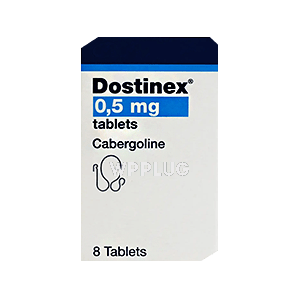
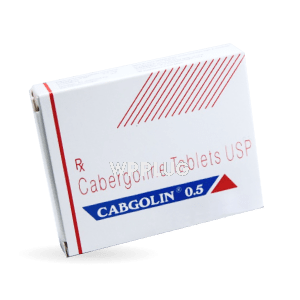
| Product dosage: 0.5mg | |||
|---|---|---|---|
| Package (num) | Per pill | Price | Buy |
| 30 | $3.84 | $115.24 (0%) | 🛒 Add to cart |
| 60 | $3.51 | $230.48 $210.70 (9%) | 🛒 Add to cart |
| 90 | $3.40
Best per pill | $345.72 $306.16 (11%) | 🛒 Add to cart |
Similar products
Cabgolin: Advanced Dopamine Agonist Therapy for Hyperprolactinemia
Cabgolin (cabergoline) is a potent, long-acting dopamine receptor agonist specifically formulated for the management of hyperprolactinemic disorders. It offers a sophisticated therapeutic approach by directly inhibiting prolactin secretion from the anterior pituitary gland. With its high selectivity for D₂ dopamine receptors and extended half-life, Cabgolin provides sustained biochemical control, facilitating the restoration of gonadal function and reduction of prolactinoma size. Its optimized pharmacokinetic profile allows for less frequent dosing compared to older ergot-derived agonists, enhancing patient adherence and treatment efficacy in both microprolactinomas and macroprolactinomas.
Features
- Active ingredient: Cabergoline 0.5 mg or 1.0 mg per tablet
- Selective dopamine D₂ receptor agonist with high affinity
- Extended half-life of approximately 63–69 hours
- Oral administration with high bioavailability (~50–70%)
- Metabolized primarily via hepatic pathways with fecal excretion
- Available in scored tablets for dose titration
Benefits
- Effectively suppresses pathological prolactin secretion to within normal physiological ranges
- Restores ovulation and fertility in women with hyperprolactinemic amenorrhea
- Reduces tumor volume in patients with prolactin-secreting pituitary adenomas
- Alleviates galactorrhea and associated symptoms
- Improves libido and sexual function in hypogonadal patients
- Enables convenient twice-weekly dosing regimen for improved compliance
Common use
Cabgolin is primarily indicated for the treatment of hyperprolactinemia, including idiopathic hyperprolactinemia and prolactin-secreting adenomas (prolactinomas). It is employed in the management of associated clinical manifestations such as amenorrhea, oligomenorrhea, galactorrhea, infertility, and hypogonadism. Off-label uses include adjunctive therapy in Parkinson’s disease (though not first-line) and prevention of physiological lactation. Clinical applications extend to cases where surgical intervention is contraindicated or unsuccessful, particularly in macroprolactinomas where medical therapy is often first-line treatment.
Dosage and direction
Initiate treatment at 0.25 mg twice weekly, preferably with meals to minimize gastrointestinal discomfort. Dosage may be increased gradually by 0.25 mg per week at monthly intervals based on prolactin level monitoring. The therapeutic dosage typically ranges from 0.5 mg to 2.0 mg per week, divided into two administrations. For patients with macroprolactinomas, higher doses up to 4.5 mg weekly may be required. Administer tablets orally with water; the scored tablets allow for precise dose adjustment. Regular monitoring of prolactin levels should guide dosage titration, with the goal of maintaining prolactin within normal limits using the lowest effective dose.
Precautions
Monitor cardiac function via echocardiogram before initiation and periodically during treatment, particularly at higher doses, due to potential valvular fibrosis risk. Assess hepatic function regularly as impaired metabolism may increase drug exposure. Use caution in patients with psychiatric disorders as dopamine agonists may exacerbate conditions. Pregnancy testing is recommended before initiation in women of childbearing potential. Blood pressure monitoring is advised, especially during dose escalation. Patients should be cautioned about potential drowsiness that may impair driving or operating machinery. Regular ophthalmological examinations are recommended for patients on long-term therapy.
Contraindications
Hypersensitivity to cabergoline, any ergot derivatives, or excipients in the formulation. Uncontrolled hypertension. History of cardiac valvular disorders as evidenced by echocardiogram demonstrating valvular thickening, restriction, or regurgitation. History of fibrotic disorders including pulmonary, pericardial, or retroperitoneal fibrosis. Concurrent use with other dopamine antagonists. Severe hepatic impairment (Child-Pugh Class C). Pregnancy unless clearly necessary and under strict specialist supervision.
Possible side effect
- Nausea (25–30% of patients), typically transient and dose-dependent
- Headache (15–20%), often diminishing with continued therapy
- Dizziness (15–18%) and postural hypotension, especially during dose titration
- Constipation (10–12%) and dyspepsia (8–10%)
- Fatigue and asthenia (12–15%)
- Nasal congestion (5–8%) due to vasoconstrictive properties
- Less commonly: digital vasospasm, pleural effusion, pulmonary fibrosis (with long-term high doses)
- Rare but serious: cardiac valvulopathy, psychiatric disturbances including impulse control disorders
Drug interaction
Strong CYP3A4 inhibitors (ketoconazole, ritonavir, clarithromycin) may significantly increase cabergoline concentrations—dose reduction required. Dopamine antagonists (phenothiazines, butyrophenones, metoclopramide) may diminish therapeutic efficacy. Antihypertensive agents may potentiate orthostatic hypotension. Ergot alkaloids or other dopamine agonists may increase risk of fibrosis. Serotonin agonists (triptans) may increase risk of serotonin syndrome. Alcohol may enhance central nervous system depression. Macrolide antibiotics may alter metabolism through CYP450 interaction.
Missed dose
If a dose is missed, administer as soon as remembered unless it is nearly time for the next scheduled dose. Do not double the dose to make up for the missed administration. Resume the regular dosing schedule with the next due dose. Given the long half-life of cabergoline, transient missed doses are unlikely to significantly affect prolactin control, though consistent adherence is recommended for optimal therapeutic outcomes. Document missed doses and monitor prolactin levels if multiple doses are missed.
Overdose
Symptoms may include severe nausea, vomiting, hypotension, syncope, hallucinations, and psychosis. Management is primarily supportive: gastric lavage if presented early, activated charcoal administration, and vigorous intravenous hydration for hypotension. Severe hypotension may require vasopressor therapy with direct-acting agents (norepinephrine preferred over dopamine). Cardiac monitoring is essential. There is no specific antidote; hemodialysis is unlikely to be effective due to high protein binding. Symptomatic treatment for psychiatric manifestations may include benzodiazepines. Maintain follow-up for potential delayed effects.
Storage
Store below 25°C (77°F) in the original packaging to protect from light and moisture. Keep blister strips sealed until immediately before use. Do not transfer tablets to other containers. Protect from excessive heat and humidity. Keep out of reach of children and pets. Do not use beyond the expiration date printed on packaging. Discard any tablets showing signs of deterioration or discoloration.
Disclaimer
This information is for educational purposes and does not replace professional medical advice. Treatment should be initiated and monitored by a qualified healthcare provider familiar with endocrine disorders. Individual response to therapy may vary based on clinical status, comorbidities, and concomitant medications. Always follow the prescribed dosage and monitoring schedule. Report any adverse effects or concerns to your treating physician promptly. The full prescribing information should be consulted before initiation of therapy.
Reviews
“Cabgolin has transformed our management of prolactinomas. The twice-weekly dosing dramatically improves compliance compared to daily bromocriptine, and we see more rapid normalization of prolactin levels with better tolerability.” – Endocrinologist, 15 years experience
“Our fertility clinic consistently achieves restoration of ovulatory cycles within 4–8 weeks of initiation. The dose titration flexibility allows us to tailor therapy precisely to individual patient needs.” – Reproductive Endocrinologist
“Long-term follow-up of macroprolactinoma patients shows significant tumor volume reduction in over 80% of cases, often avoiding the need for surgical intervention. The cardiac monitoring protocol has effectively managed potential fibrotic risks.” – Neuroendocrinology Specialist
“Patient satisfaction scores are notably higher with cabergoline compared to previous dopamine agonists. The reduced gastrointestinal side effects make maintenance therapy much more manageable for chronic cases.” – Clinical Pharmacist, Pituitary Clinic